
Jaipur. Every year, lakhs of people across the country are affected by a life-threatening medical emergency called Sudden Cardiac Arrest (SCA). Although the condition can be effectively managed if bystander intervention is immediate, delayed care remains a critical, fatal concern. Cardiovascular diseases account for nearly 27% of all deaths in India, with sudden cardiac deaths making up a massive chunk of this burden. In recent years, thousands of productive lives across all age groups have been lost abruptly to cardiac arrest. Prevalent throughout the year, cardiac emergencies see a sudden spike during high-stress periods, extreme weather, or in individuals with unmanaged lifestyle diseases. While timely intervention can pull a patient back from the brink, any delay in starting Cardiopulmonary Resuscitation (CPR) or seeking professional medical help leads to irreversible brain damage and complications that could otherwise have been prevented.
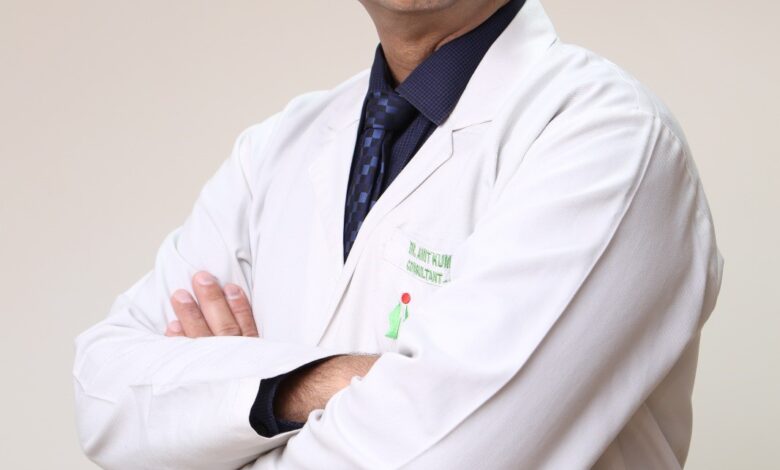
Dr Amit Kumar Singhal, Director- Cardiology, Fortis Hospital, Jaipur , raises awareness on cardiac arrest to catching early warning signs and performing immediate CPR to save lives.
What is Sudden Cardiac Arrest?
Unlike a heart attack (a “plumbing problem” caused by a blockage), a cardiac arrest is an “electrical problem.” It occurs when the heart’s electrical system malfunctions, causing it to suddenly stop beating and halting blood flow to vital organs. It can strike anyone, anywhere, often triggered by stress, extreme exertion, or underlying heart conditions. Low survival rates are primarily driven by a lack of awareness and bystander hesitation to start immediate CPR. Common causes include coronary artery disease and congenital heart defects.
What are the symptoms?
The most common immediate signs of a cardiac arrest include sudden collapse, immediate loss of consciousness, absence of normal breathing (or only gasping/gurgling breaths), and a lack of a detectable pulse. In the minutes leading up to the arrest, some individuals might experience warning signs like chest discomfort, shortness of breath, palpitations, dizziness, or unexplained fatigue, which demand immediate medical evaluation.
Who is most at risk?
While sudden cardiac arrest can affect anyone, individuals with a history of heart disease, previous heart attacks, a family history of sudden cardiac death, smokers, and those with unmanaged high blood pressure, high cholesterol, or diabetes are at a significantly higher risk.
What happens if left untreated?
In most health emergencies, there is a window of a few hours, but cardiac arrest turns fatal within minutes if left unchecked. When the heart stops, the rapid loss of oxygenated blood flow to the brain causes permanent brain damage within just 4 to 6 minutes. For every single minute that passes without CPR and defibrillation, the chances of survival drop by 7% to 10%. If the progressing condition goes unaddressed by bystanders before the ambulance arrives, the event proves fatal within less than 10 minutes.
Treatment options
Most cases of sudden cardiac arrest can result in a saved life if the “Chain of Survival” is initiated timely and appropriately. Common immediate and medical interventions include:
• Immediate Chest Compressions: Performing Hands-Only CPR (pushing hard and fast in the center of the chest at a rate of 100–120 compressions per minute) to keep oxygenated blood flowing to the brain.
• Using an Automated External Defibrillator (AED): Locating and deploying a public access AED immediately to deliver a shock if the device advises it, resetting the heart’s natural rhythm.
• Calling for Emergency Help: Activating local emergency medical services instantly to get advanced life support on the way.
• Advanced Medical Management: Post-resuscitation care, targeted temperature management, medications, or surgical interventions (like stenting or implanting a pacemaker/ICD) prescribed by doctors once the patient reaches the hospital.